This is the fifth issue of my monthly newsletter, originally sent to subscribers on September 24, 2026.



Long-term holds
One of the challenges in investing is short hold periods.
“But I want my money back ASAP!”, I hear you saying. “It’s all about the time value of money” and you can “increase the velocity of money” by getting your capital back and reinvesting it repeatedly.
It’s understandable that most investors want their money back quickly, especially for opaque growth investments whose valuations are questionable until realized at a sell in the distant future. This is one reason I prefer investments with distributions: cash flow diligence and at least a modicum return (of capital) earlier in the lifecycle.
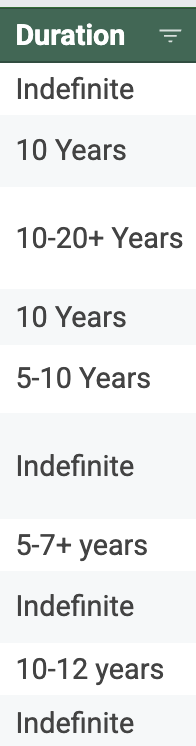
Almost every investment sponsor across real estate (RE), private equity (PE), and venture capital (VC) underwrites for 10 year terms or less. Nowadays 6-7 years for PE and 5-10 years for RE and VC are typical. These are far too short with a multi-decade investment horizon.
This makes sense if you think about “value add” investing. Buy an underperforming asset, improve it, and flip it … especially to a retail investor or strategic (i.e., less cost-sensitive) buyer. And it’s true that your IRR is massively improved by quick returns of capital.
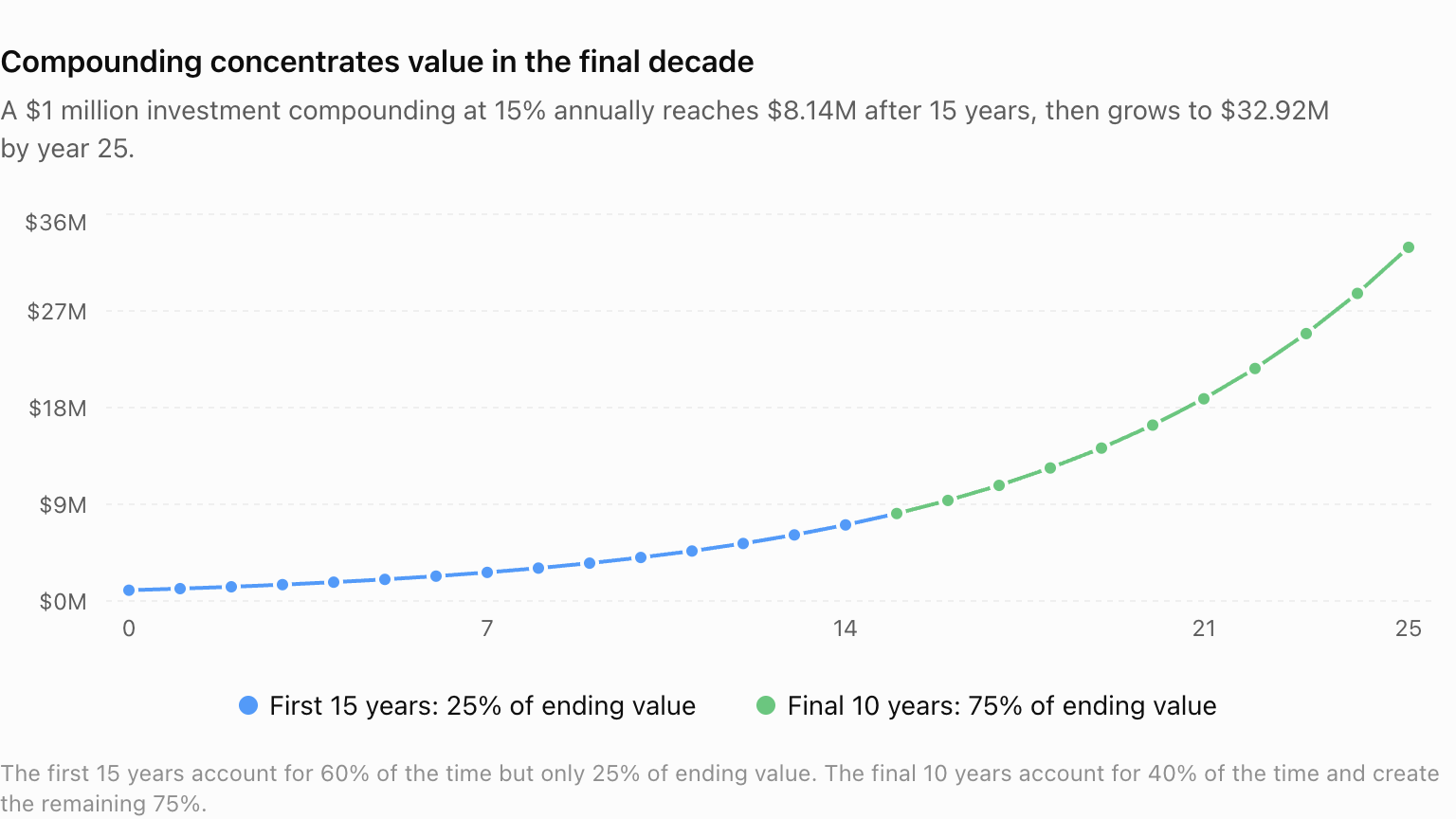
However, it’s also true that most of the money is made in the last decade of an investment. Taxes, transaction costs, cash drag between investments (aka reinvestment risk), and more all serve to reduce the overall returns realized with this strategy. If you only hold for a decade (or less!) you’re missing out on the long-term effects of compounding.
I recently read On The Nature Of Long-Term Holds published by Yale School of Management, which reinforced this long-held belief. This Yale case argues that entrepreneurs should stop treating a five-year exit as the natural goal for owning a business. The core claim is simple: if you’re fortunate enough to own a durable company producing attractive returns, selling it may destroy more future wealth than it realizes.
The authors highlighted one aspect that I failed to fully appreciate: the risk of trading a business you understand deeply for one with new and unfamiliar risks. You can reduce risk in businesses capable of programmatic acquisition, such as single-franchise system rollups or applying the same real estate model in the same geo repeatedly. But acquiring an operating company — in a new (even related) industry, with its unique business model, customer base, geography, or any number of different factors — dramatically increases the risk, even for a skilled and experienced operator. Put simply, knowledge compounds within a business and rapidly decays outside the circle of competence.
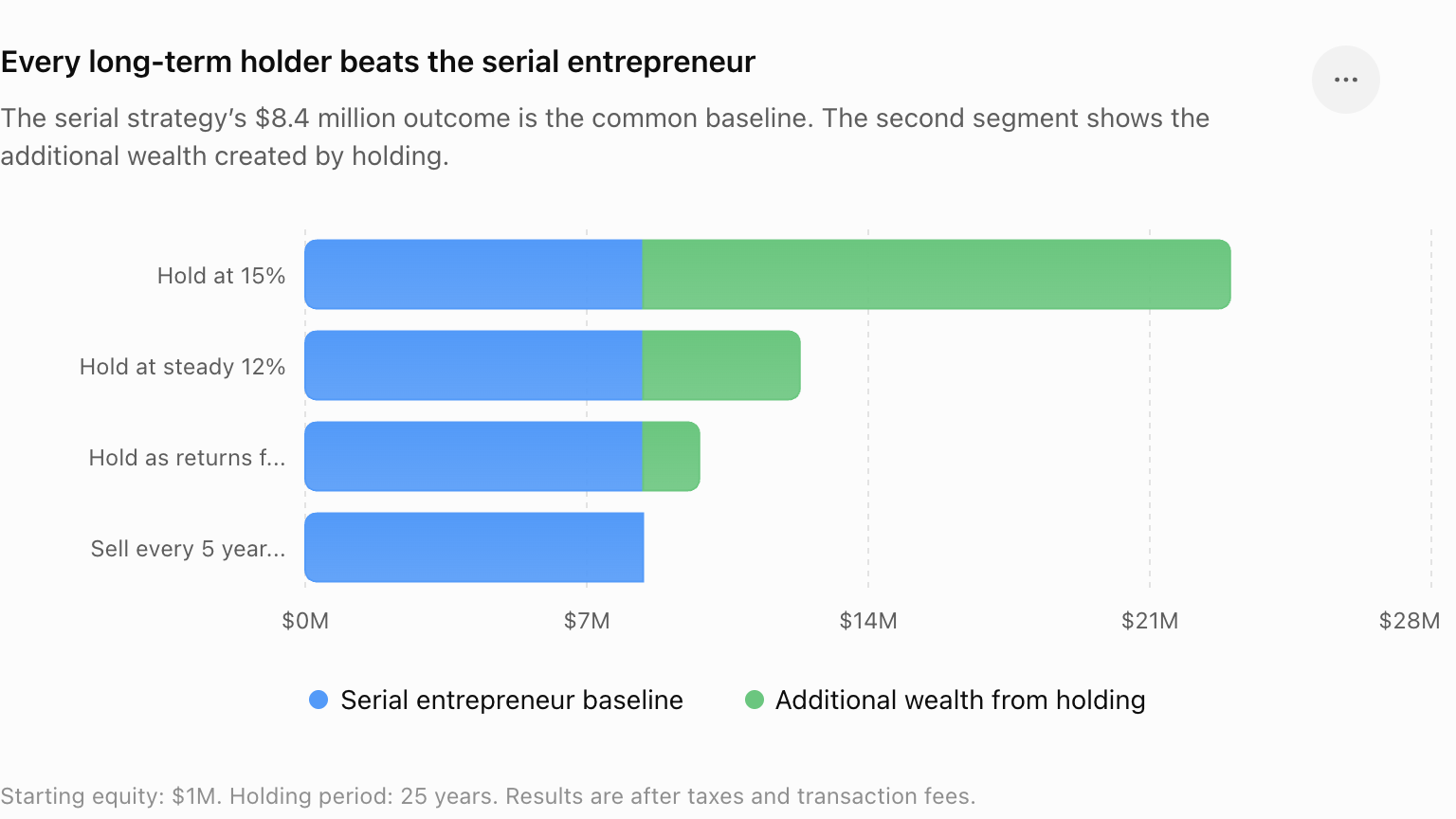
Even putting this aside, the paper’s math makes the point obvious. An owner holding a business compounding at 15% for 25 years finishes with $23 million after taxes and fees. Another earns the same 15% while invested but sells every five years, pays taxes and fees, and spends a year between ventures. He finishes with only $8.4 million. Even an owner earning a steady 12%, or with returns declining from 15% to 7%, ends with more wealth than the “serial entrepreneur”.
Long-term business compounding is a more extreme version of what I wrote about tax deferral in retirement accounts years ago:
Absent a tax-arbitrage scenario, the advantage of tax deferral is entirely due to not being taxed twice.
and
As we can see, the advantage increases with a longer the holding period, improved investment returns, and higher tax rate.
This is why almost all of my private market investments have longer hold periods. I refuse to invest with a sponsor who wants to give my money back after 5 years. Even 10 years is too short in an ideal world.
This is true for retirement accounts, fueled by a single tax deferral opportunity. A long-term hold is even more critical for businesses since they receive significantly more benefits from a long compounding horizon.
P.S. if you’re interested in running your own business and want to buy one together (especially if you’re willing to relocate), let’s talk!
👀 Call for co-investors: custom cabinetry & millwork in CA
I promised to share you promising investments that still had room for more investors. Here’s one that I’m fairly far along in underwriting. They’re about 50% done with the raise, but trying to lock their loan down ASAP (due to the SBA SOP changes discussed last month) which requires knowing everyone who is investing and a target amount.
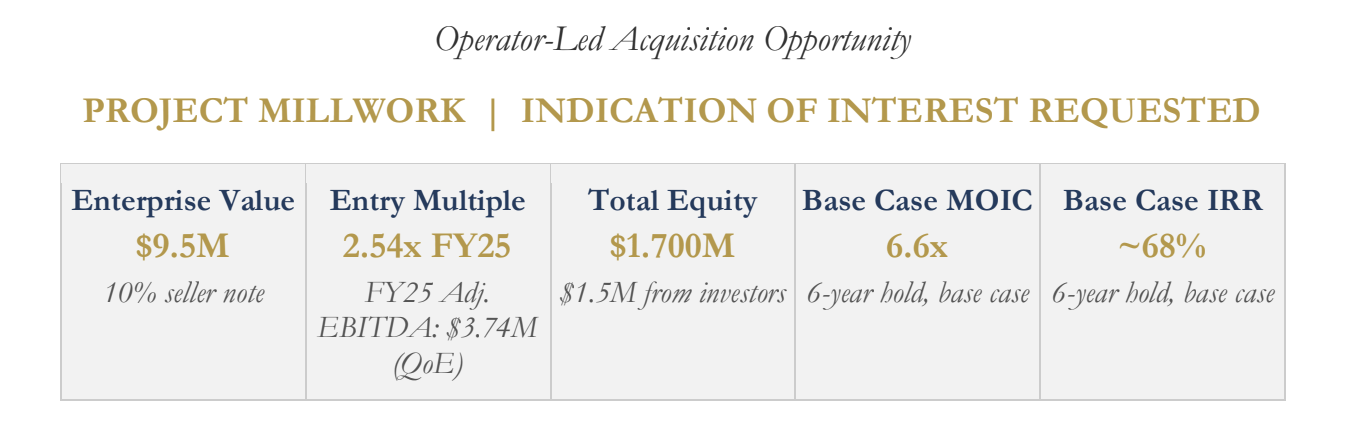
Here’s the full teaser for the acquisition.
If you’re interested in learning more, let me know ASAP and I’ll introduce you to the sponsor.
👨🏽🌾 Personal updates
Investing
- I’m under contract on a 22 unit apartment building in the Chicago area. I’m trying to carve a path to 8% cash-on-cash returns and 15-20% IRR on this deal, but the seller is squeezing me hard on price. The inspection is tomorrow, and the seller is seeking assurances that I’m not going to “re-trade” (ask for reduced price based on condition). Wish me luck!
- In order to find good deals, you say no to a lot of stuff. In case it’s interesting, here’s a sampling of things I’ve reviewed this month:
- Marriott extended stay hotel, buoyed by a significant government & defense in the DC area. Ultimately I decided the 15% target IRR is too low for the increased operational risks of a hotel rather than multifamily, the first-time sponsor risk (even though he’s a 2nd gen hotelier), and cyclicality of a hotel (even with DC government clients).
- Millennium multi-strat hedge fund. I love the idea of having an absolute return bucket as an additional diversifier and ballast, but there’s no clear role in my portfolio for it yet and I’m not willing to reduce other allocations to make space. It’s not income generating (redemptions only), the after-tax returns are too low to be considered a good long-term growth compounder, and it’s not a substitute for genuinely liquid portion of my preservation bucket. This is why we still don’t have any hedge funds in our portfolio.
- Boundless Hospitality Corp, my only angel investment and the operator for the Boundless Life world schooling program that my family participates in, is raising a round. I’m not an angel (or growth) investor, and wrote the first check in a philanthropic spirit. Even if it fails, it’s helped a lot of families have a wonderful experience. This time, the multiples are higher, it’s clearly valued as a growth investment, and I have enough exposure already.
- An IT services firm in the legal industry. It uses a QSBS-focused structure which limits distributions to preserve tax efficiency. My goal with SMBs is income generation. Also, there’s no clear geographic or other moat, the buyer has to build a repeatable sales pipeline, and it’s implementing 3rd party solutions rather than a proprietary product.
- Several other products that lack the moats or compete in potential winner-takes-all markets or were still too small / growth oriented for my buy box: GLP-1 telehealth company, relationship safety & verification software, AI home design platform, digital marketing agency for home services (being acquired by a large home services operator), and enrollment marketing software for charter schools.
Travel
- I’ve been experimenting with borski/travel-hacking-toolkit in Claude. It gives you AI-powered connections to various travel agent software. (I’m new to the rewards/points game, so not able to fully maximize this yet.)
- I used it to find my flight to Japan in January ($$$). Now I’m using it to explore our options for return. We’re already confirmed to host a Quill & Cup retreat in Ronda, Spain in April. Right now, we’re considering a couple week-long visits to Beijing, China and Hanoi, Vietnam while “en route” to Spain.
Projects
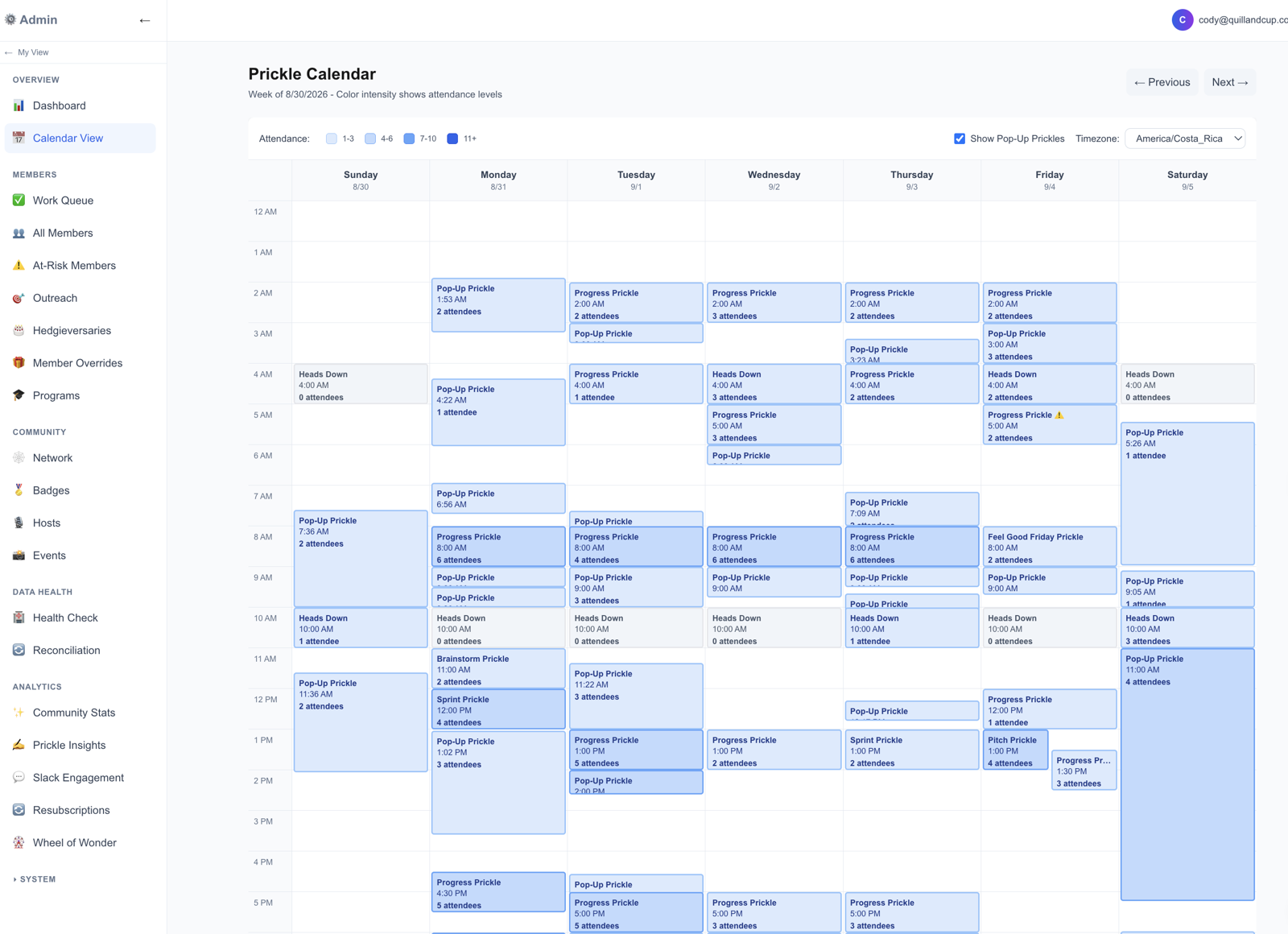
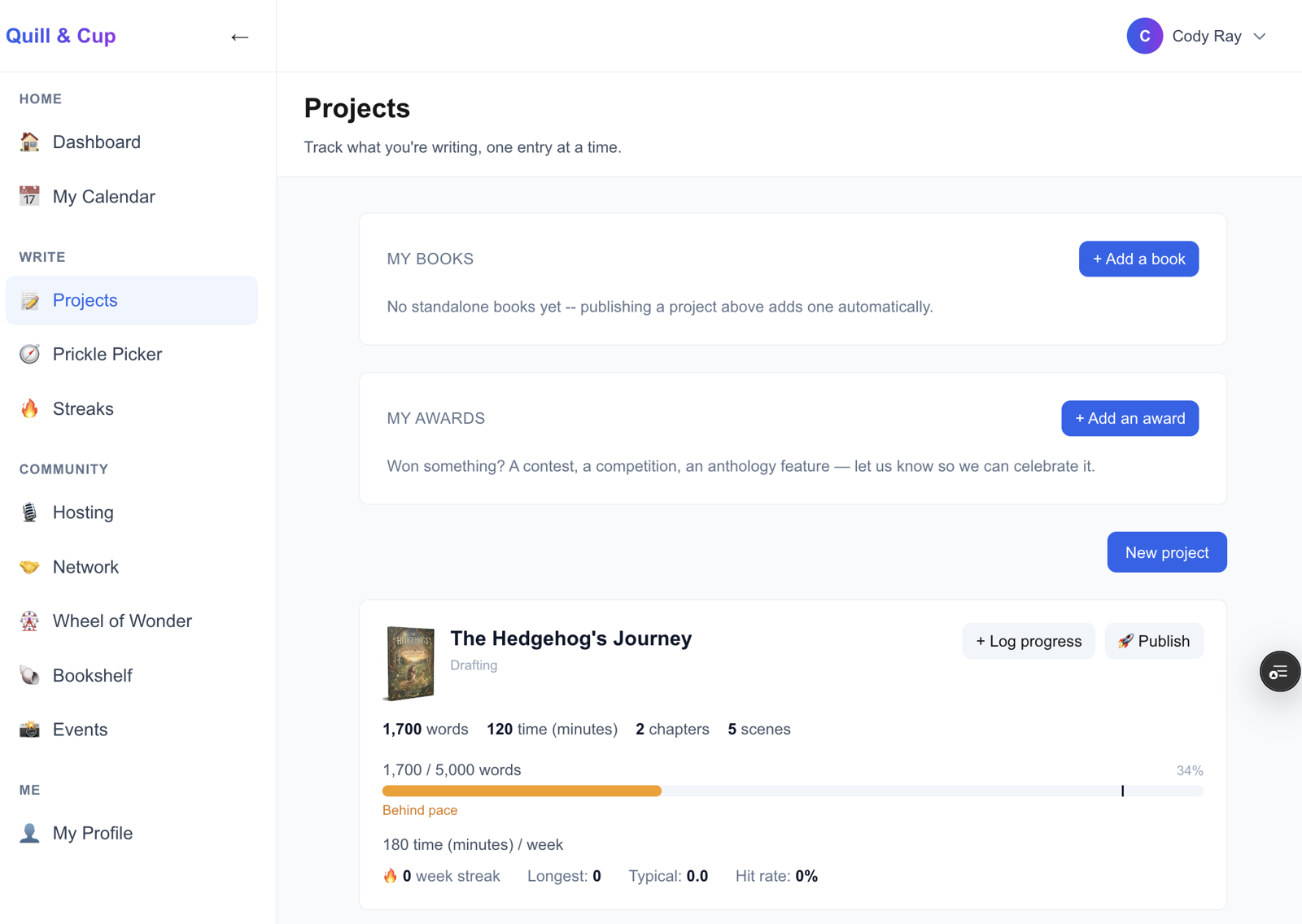
- My wife and I run Quill & Cup, an online writing business for women. I’m building “Hedgie Hub”, an app for members to track their writing progress, find writing times, manage their hosting and attendance, and keep writing streaks with their sisters. And, more importantly, for us to streamline our business operations: managing 50+ weekly writing sessions, 5 monthly guest speakers, online courses with multiple cohorts each, book launches, years of in-person and virtual retreats, critique partner matching, a scholarship program, outbound growth campaigns, multiple technical systems that are often out-of-sync, and more. It’s not live yet, but I’m actively scheduling onboarding for the first user cohort and have a prelim launch date on the calendar (Nov 2nd).
- My personal website was hacked last year. I finally got around to migrating it off of Wordpress running on Bluehost to a (mostly) static website using Astro and hosted on Vercel. Let me know what you think!
- You might’ve noticed that I’m now accepting technical advisory work and occasional fractional leadership positions. If you have an interesting project where you think I could help, let me know!
- Finally grew up and installed automatic backup software on our laptops. I know a lot of people love Backblaze, but I found iDrive’s team plan (especially with 2 year upfront) more compelling for our family. It’s basically $45/computer/year vs $95 for Backblaze. Backblaze’s “unlimited” data is worth less to us than 5TB shared across our machines.
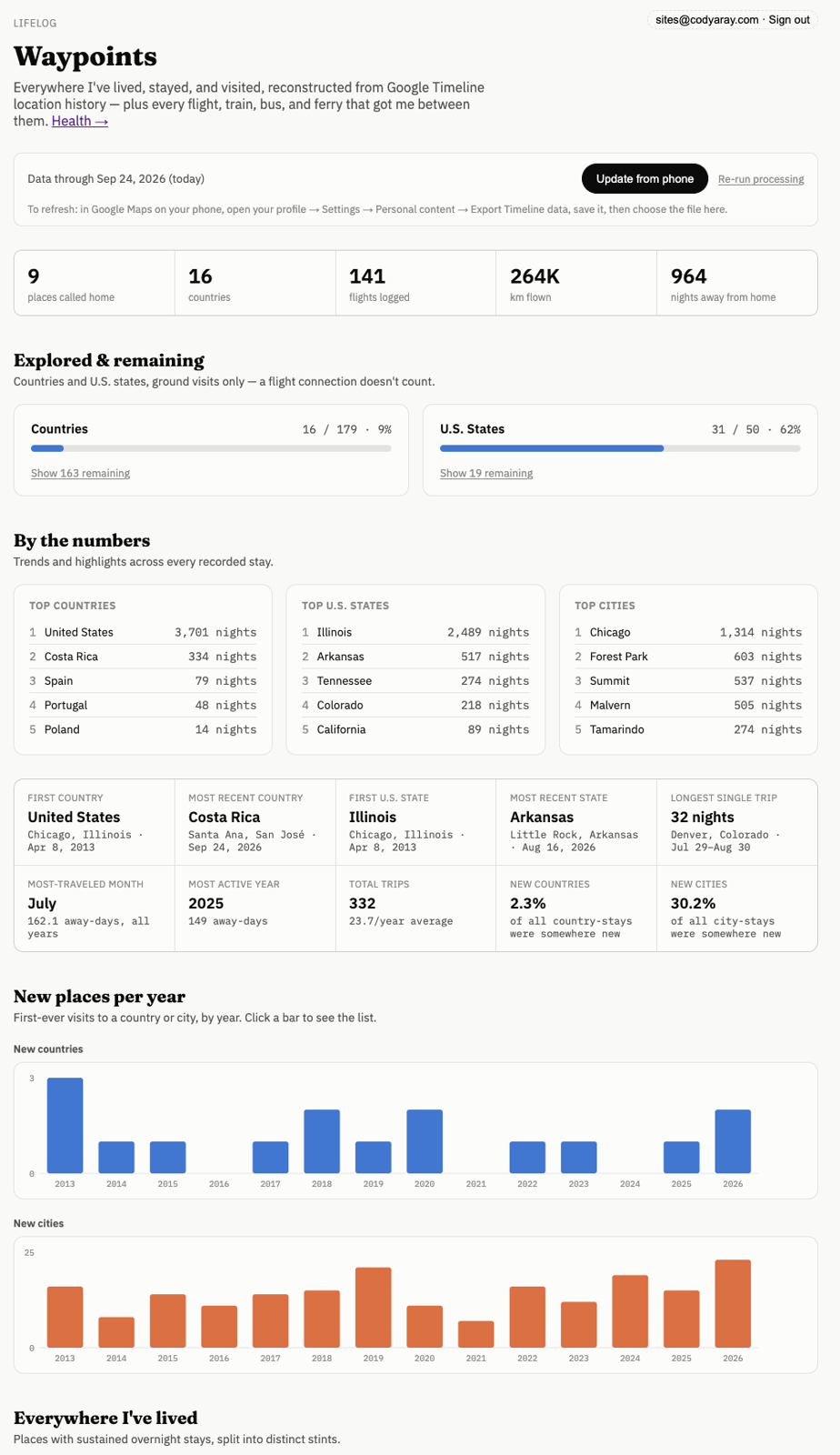
- I’m building a new “lifelog” project to ingest all my different streams of personal data into a single project, starting with my physical location. This is of obvious interest, given our multi-year nomadic profile, so I uploaded all my Google Maps Timeline data from 2013 (as far back as I could find). Unfortunately, this is only stored on device and there’s no real API beyond export -> import. (Note: Google Maps data is spotty, especially in other countries where I don’t have data, or when my phone is frequently dead.)
- For next steps, you can imagine ingesting Withings for weight, MyFitnessPal for nutrition, Fitbit for sleep/steps, Garmin for exercises, RescueTime for time on computer/phone, Google Calendar for events, Goodreads for books, iMessage/FaceTime / WhatsApp / Slack / social media for relationships, Notion web clipper for online reading, Notion sprint board for tasks, and so on.
- I’ve long been more in the “passive tracking” camp. But I’m starting to lean more toward active time management, using my Google Calendar at the moment (since post-W2). But if I can track most of my health, money, and time that’ll help me ensure I continue living in alignment with my values.
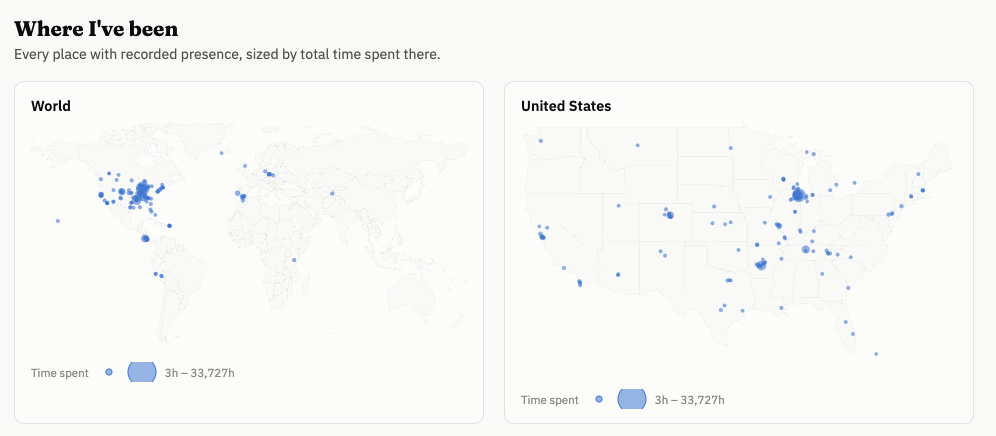
- Speaking of centralizing your data, I also learned that you can export from Facebook Photos to Google Photos. This is helpful for those years where my wife was putting everything in Facebook instead. :)
📚 What I’ve read recently
The Collapse of Parenting (audiobook) — It was uncomfortable to be told to be an authoritative parent, and even to answer the constant “why” questions with “because we said so” … which my generation heard and hated as children. But so much rings true, such as the dominance of peer connections over family connections in teens (and even younger kids) today, and the culture of disrespect rampant in public schools.
The author speaks of an internal battle being waged in parents, between being accommodating and understanding vs being firm and directive. This book gives the confidence to shift “back” toward firmness. Fewer negotiations. Less questioning and testing of parental authority. More bonding between parents and children. (No skipping family vacations as a teenager!)
In other words, it’s our job as parents to accept some extra “angst” in childhood to improve outcomes as an adult. That’s a trade I’m willing to make, even though it’ll be harder in the short run (which is the “days are long” times!)
That all said, the author proclaims to speak from data and a scientific perspective as a physician and psychologist, but the delivery feels like a “one truth” gospel.
The Strength of the Few — The sequel to The Will of the Many that I reviewed last month. The world building is getting grander, the character development more … complex. As each mystery unfolds, more appear, giving readers a nice onion to continue peeling.
That said, some of the plot lines felt heavily inspired by Brandon Sanderson (who I love! but it isn’t the same). Still, I really enjoyed it (5 ⭐) and I’m looking forward to the release of the third book.